CAD CAM MCQ
CAD CAM MCQ is an important practice category for mechanical engineering, production engineering, manufacturing technology, and industrial engineering students who want to build strong knowledge of computer-aided design and computer-aided manufacturing. This section provides exam-focused multiple-choice questions that help learners revise key concepts, improve technical accuracy, and prepare effectively for semester exams, competitive exams, technical interviews, placement tests, and professional skill assessments.
CAD, or Computer-Aided Design, is used to create accurate 2D drawings, 3D models, product layouts, geometric models, and engineering designs with the help of computer software. CAM, or Computer-Aided Manufacturing, uses computer systems to control manufacturing processes, generate NC and CNC programs, plan machining operations, and improve production efficiency. Together, CAD and CAM form the backbone of modern design and manufacturing industries.
This CAD CAM MCQ section is useful for students who want to understand both basic and advanced concepts in a simple objective-question format. The questions may cover important topics such as CAD fundamentals, CAD workstations, input and output devices, geometric modeling, wireframe modeling, surface modeling, solid modeling, spline curves, transformation, computer graphics, NC machines, CNC machines, part programming, G-codes, M-codes, tool path generation, machining centers, computer-aided process planning, group technology, flexible manufacturing systems, robotics, automation, and CIM.
Regular practice of CAD CAM MCQs helps students improve conceptual clarity and exam performance. Since CAD/CAM is a practical and application-based subject, objective questions help learners quickly revise definitions, functions, commands, machine operations, programming methods, and manufacturing principles. These MCQs are especially helpful for GATE preparation, PSU exams, diploma exams, university examinations, AMIE exams, and mechanical engineering interview preparation.
In modern industries, CAD/CAM knowledge is highly valuable because it connects product design with actual manufacturing. Engineers use CAD software to design components, check dimensions, analyze models, and reduce design errors. CAM software then converts these designs into manufacturing instructions for CNC machines, helping industries achieve better accuracy, faster production, lower waste, and consistent product quality. Therefore, practicing CAD CAM objective questions is not only useful for exams but also important for understanding real industrial applications.
This category is designed in a professional and student-friendly way so that learners can practice topic-wise questions and strengthen their preparation step by step. Whether you are a beginner learning CAD/CAM basics or an advanced student preparing for competitive exams, these CAD CAM MCQs can help you revise important concepts in less time.
Start practicing CAD CAM MCQs with answers to improve your knowledge of computer-aided design, computer-aided manufacturing, CNC programming, automation, and modern production systems. Consistent practice will help you gain confidence, score better in exams, and prepare for career opportunities in design, manufacturing, CNC machining, and industrial automation.
Q1. CAD stands for:
📘 View ExplanationQ2. CAM stands for:
📘 View ExplanationQ3. Which is NOT a CAD input device?
📘 View ExplanationQ4. Common file extension for AutoCAD drawing is:
📘 View ExplanationQ5. Which of the following is NOT a solid modeling technique?
📘 View ExplanationQ6. CNC stands for:
📘 View ExplanationQ7. G-code in CNC programming is used for:
📘 View ExplanationQ8. M06 code in CNC indicates:
📘 View ExplanationQ9. Which software is most popular for 2D drafting?
📘 View ExplanationQ10. Which process produces best quality graphics reproduction?
📘 View ExplanationQ11. Which is a CAD modeling method?
📘 View ExplanationQ12. NC stands for:
📘 View ExplanationQ13. The main advantage of CAD/CAM integration is:
📘 View ExplanationQ14. CNC tool movement in Z-axis is:
📘 View ExplanationQ15. In CNC programming, EOB stands for:
📘 View ExplanationQ16. Which CAD modeling type gives the object’s physical boundaries?
📘 View ExplanationQ17. A CNC control most popularly used is:
📘 View ExplanationQ18. M-code in CNC is used for:
📘 View ExplanationQ19. Interfacing CAD output with CAM involves:
📘 View ExplanationQ20. Which is NOT a primary benefit of CAD software?
📘 View ExplanationQ21. Which extension is used for an AutoCAD drawing file?
📘 View ExplanationQ22. Which command is used to save a drawing in AutoCAD?
📘 View ExplanationQ23. What is the primary function of CAM software?
📘 View ExplanationQ24. Which CAD modeling is best for 3D printing?
📘 View ExplanationQ25. Which is NOT a CAD output device?
📘 View ExplanationQ26. Tool path simulation in CNC is used for:
📘 View ExplanationQ27. What does G01 command in CNC do?
📘 View ExplanationQ28. In geometric modeling, spline curves are used for:
📘 View ExplanationQ29. Which one is not a CAD system product?
📘 View ExplanationQ30. What is the use of CAM software?
📘 View ExplanationQ31. Which CNC operation is used to make a hole?
📘 View ExplanationQ32. Which is NOT a feature of modern CAD/CAM systems?
📘 View ExplanationQ33. Which company develops AutoCAD?
📘 View ExplanationQ34. Surface modeling is used to:
📘 View ExplanationQ35. What is post-processing in CAM?
📘 View ExplanationQ36. The main advantage of CNC is:
📘 View ExplanationQ37. SolidWorks is primarily for:
📘 View ExplanationQ38. Which is NOT a parametric CAD software?
📘 View ExplanationQ39. NURBS in CAD stands for:
📘 View ExplanationQ40. Which is NOT an advantage of CAD?
📘 View ExplanationLatest Blogs
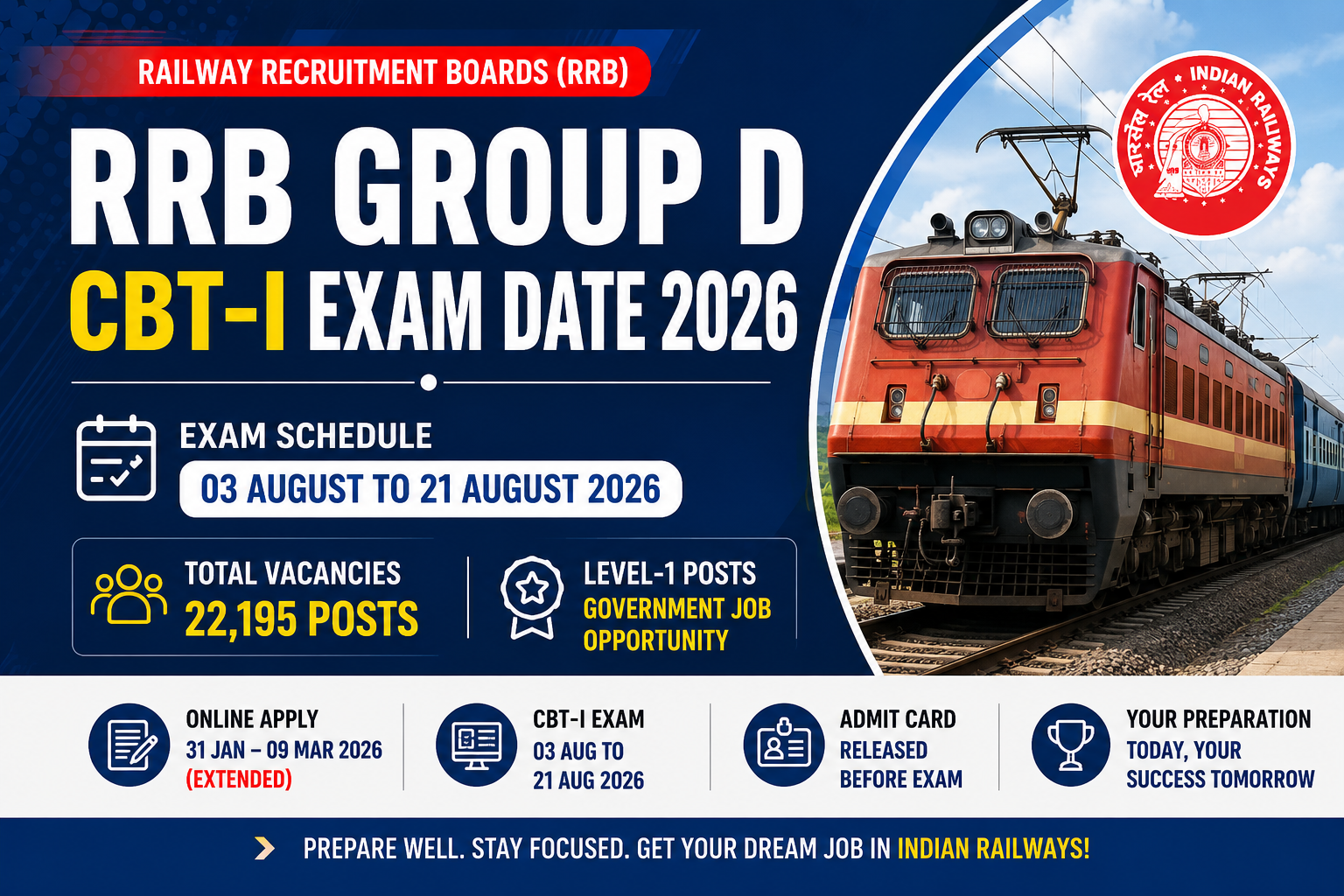
RRB Group D CBT-1 Exam Date 2026 Out: Check Exam Schedule, Vacancy, Eligibility & Latest Updates
NEW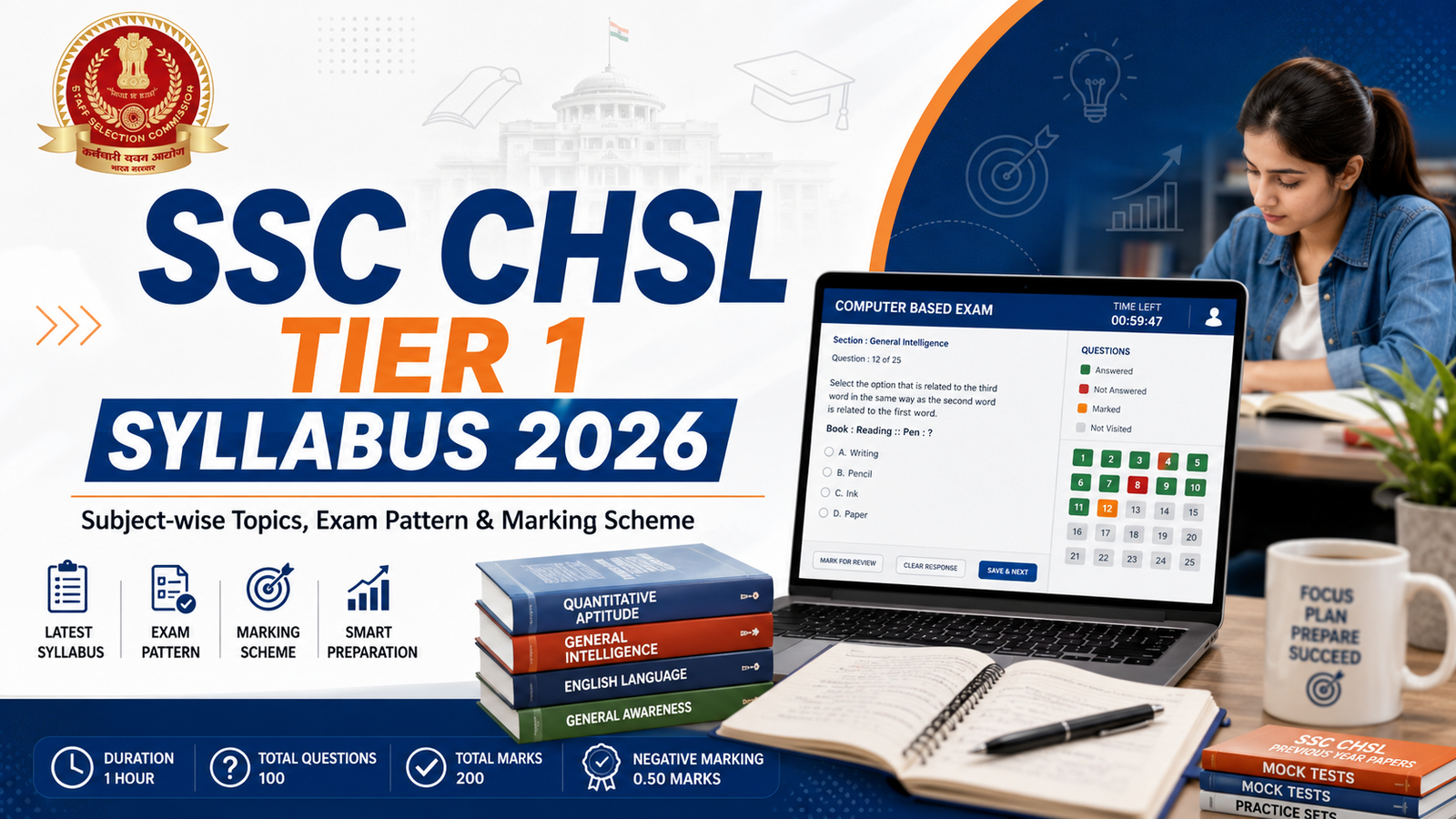
SSC CHSL Tier 1 Syllabus 2026
NEW
AngularJS Interview Questions and Answers
NEW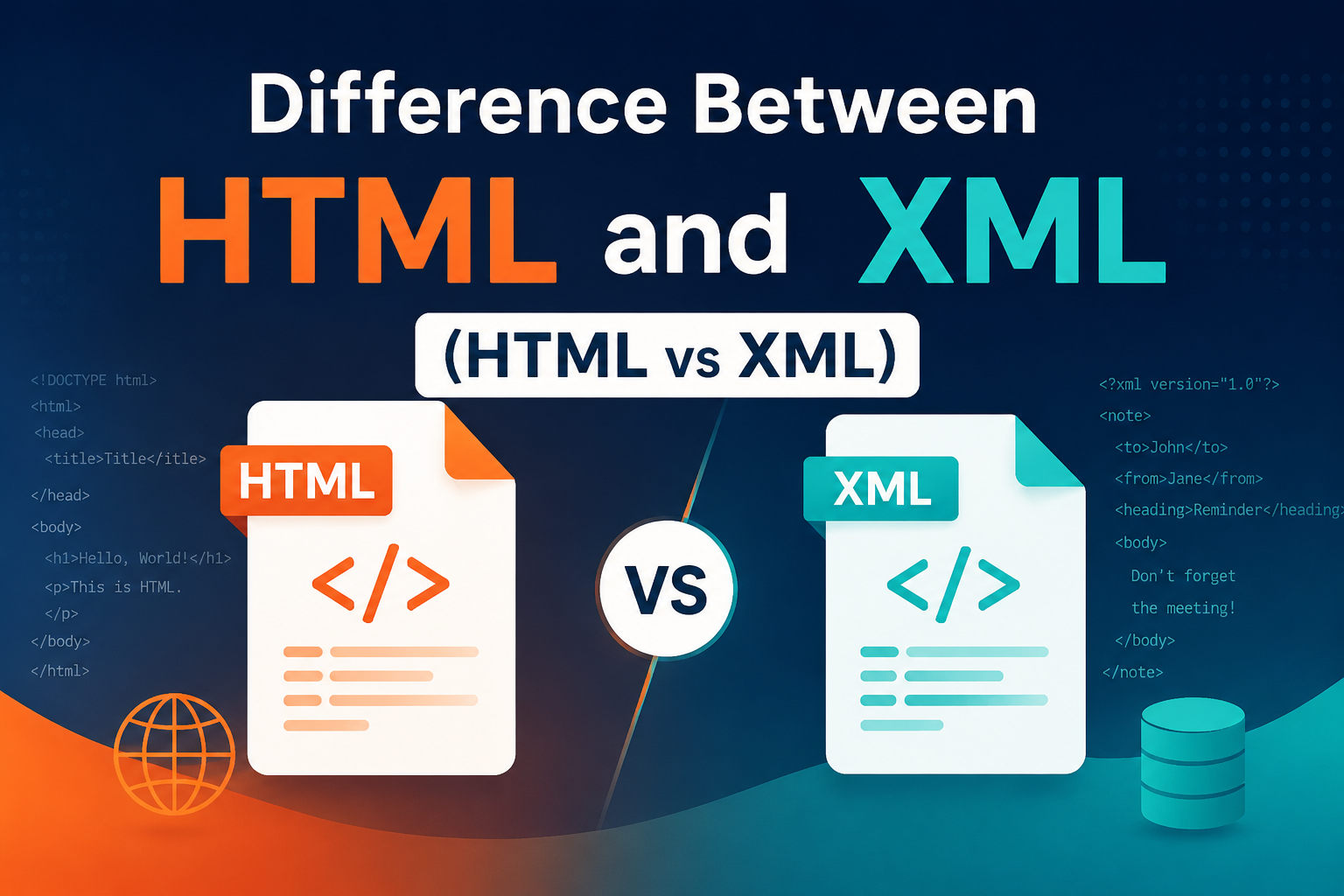
Difference Between HTML and XML (HTML vs XML)
NEW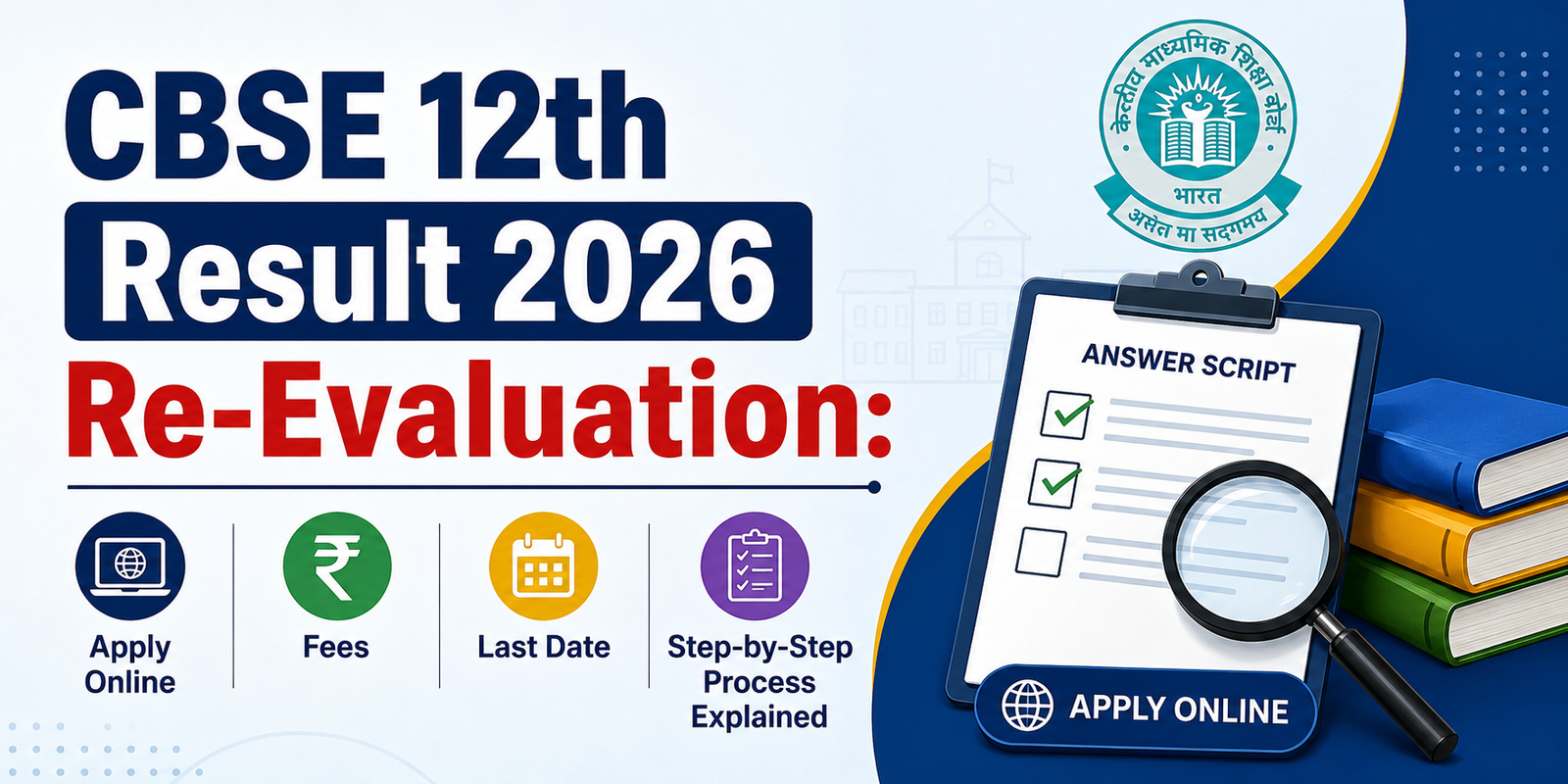
CBSE 12th Result 2026 Re-Evaluation: Apply Online, Fees, Last Date & Step-by-Step Process Explained
NEW
NEET UG 2026 Re-Exam Date Announced: Check New Exam Date, Schedule & Latest Updates
NEW
Understanding the SSC Phase 14 Exam: A Comprehensive Overview
NEW
Top Study Tips for Cracking Your Exams with Confidence
NEW
Aerospace Engineering: Scope, Courses & Career Opportunities
NEW
SSC CHSL Syllabus
NEW
EPFO 3.0 is Here: 7 Major Changes Every Employee Must Know
NEW