Mechanical Engineering MCQs
Mechanical Engineering is one of the oldest and broadest branches of engineering that focuses on the design, development, manufacturing, operation, and maintenance of machines and mechanical systems. It combines principles of physics, mathematics, material science, and engineering to create innovative solutions used in everyday life and industrial applications. From automobiles and aircraft to power plants and manufacturing industries, mechanical engineering plays a vital role in shaping modern technology and infrastructure.
The field of mechanical engineering covers a wide range of subjects and technical concepts that help students understand how machines work and how mechanical systems are designed for efficiency, safety, and performance. Some of the major subjects included in mechanical engineering are Thermodynamics, Fluid Mechanics, Strength of Materials, Engineering Mechanics, Heat Transfer, Manufacturing Processes, Theory of Machines, Machine Design, Industrial Engineering, Refrigeration and Air Conditioning, and Automobile Engineering. A strong understanding of these subjects is essential for students pursuing engineering education and preparing for technical careers.
Mechanical Engineering is also one of the most preferred branches for competitive examinations and government technical jobs. Students preparing for exams such as GATE, SSC JE, RRB JE, PSU recruitment exams, state engineering exams, and various technical interviews need regular practice of objective-type questions to improve their knowledge and exam performance. Multiple-choice questions help candidates test their conceptual understanding, increase speed and accuracy, and identify important topics frequently asked in examinations.
This Mechanical Engineering MCQs page is specially designed to help students, diploma holders, engineering graduates, and job aspirants prepare effectively for academic and competitive exams. The page contains a large collection of carefully selected and topic-wise arranged multiple-choice questions covering all important areas of mechanical engineering. These MCQs are useful for beginners as well as advanced learners who want to strengthen their technical concepts and improve problem-solving skills.
Each question is prepared to match the latest exam patterns and industry-relevant topics. Practicing these MCQs regularly can help students build confidence, improve time management, and perform better in exams. The questions are also beneficial for revision before semester exams, campus placements, and technical interviews. Whether you are preparing for government jobs, higher studies, or professional technical careers, solving Mechanical Engineering MCQs is one of the best ways to enhance your preparation.
The main objective of this page is to provide free, reliable, and high-quality study material for mechanical engineering students and aspirants. With regular updates and a wide variety of questions, this platform helps users learn important concepts in a simple and effective way. By practicing these Mechanical Engineering MCQs daily, students can improve their technical knowledge, strengthen fundamentals, and increase their chances of success in competitive and academic examinations.
Q1. Which law states that stress is directly proportional to strain within elastic limit?
📘 View ExplanationQ2. The efficiency of an ideal Carnot engine depends on?
📘 View ExplanationQ3. Which material has highest melting point?
📘 View ExplanationQ4. The moment of inertia depends on?
📘 View ExplanationQ5. Which cycle is used in petrol engines?
📘 View ExplanationQ6. Entropy is a measure of?
📘 View ExplanationQ7. The unit of power is?
📘 View ExplanationQ8. Which fluid property enables flying of airplanes?
📘 View ExplanationQ9. Which welding process uses a non-consumable electrode?
📘 View ExplanationQ10. The Reynolds number determines?
📘 View ExplanationQ11. Creep failure occurs at?
📘 View ExplanationQ12. The property of material to absorb energy before fracture is?
📘 View ExplanationQ13. Which gear is used for intersecting shafts?
📘 View ExplanationQ14. Which mechanism converts rotary motion to linear motion?
📘 View ExplanationQ15. Which law governs buoyant force?
📘 View ExplanationQ16. Hardness test using diamond pyramid is called?
📘 View ExplanationQ17. Diesel engines work on which cycle?
📘 View ExplanationQ18. Which law explains lift force on aircraft wings?
📘 View ExplanationQ19. Lathe machine primarily performs?
📘 View ExplanationQ20. A flywheel controls?
📘 View ExplanationQ21. Which casting method uses sand?
📘 View ExplanationQ22. Supercharging increases?
📘 View ExplanationQ23. Which turbine works on impulse principle?
📘 View ExplanationQ24. Which belt drive has highest power transmission?
📘 View ExplanationQ25. Heat transfer without any medium occurs by?
📘 View ExplanationQ26. The ratio of output to input force in a machine is?
📘 View ExplanationQ27. Which machining process uses abrasive particles?
📘 View ExplanationQ28. Brake power is measured using?
📘 View ExplanationQ29. The neutral axis of a beam carries?
📘 View ExplanationQ30. The term CNC stands for?
📘 View ExplanationQ31. Which boiler is water-tube type?
📘 View ExplanationQ32. Viscosity is the property of?
📘 View ExplanationQ33. Which law explains pressure increase in an enclosed fluid?
📘 View ExplanationQ34. The air standard efficiency of Otto cycle depends on?
📘 View ExplanationQ35. Which bearing has rolling elements?
📘 View ExplanationQ36. Which machining process removes material chemically?
📘 View ExplanationQ37. The device converting heat energy into mechanical energy is?
📘 View ExplanationQ38. A mechanism with no degrees of freedom is called?
📘 View ExplanationQ39. Which boiler part stores steam?
📘 View ExplanationLatest Blogs
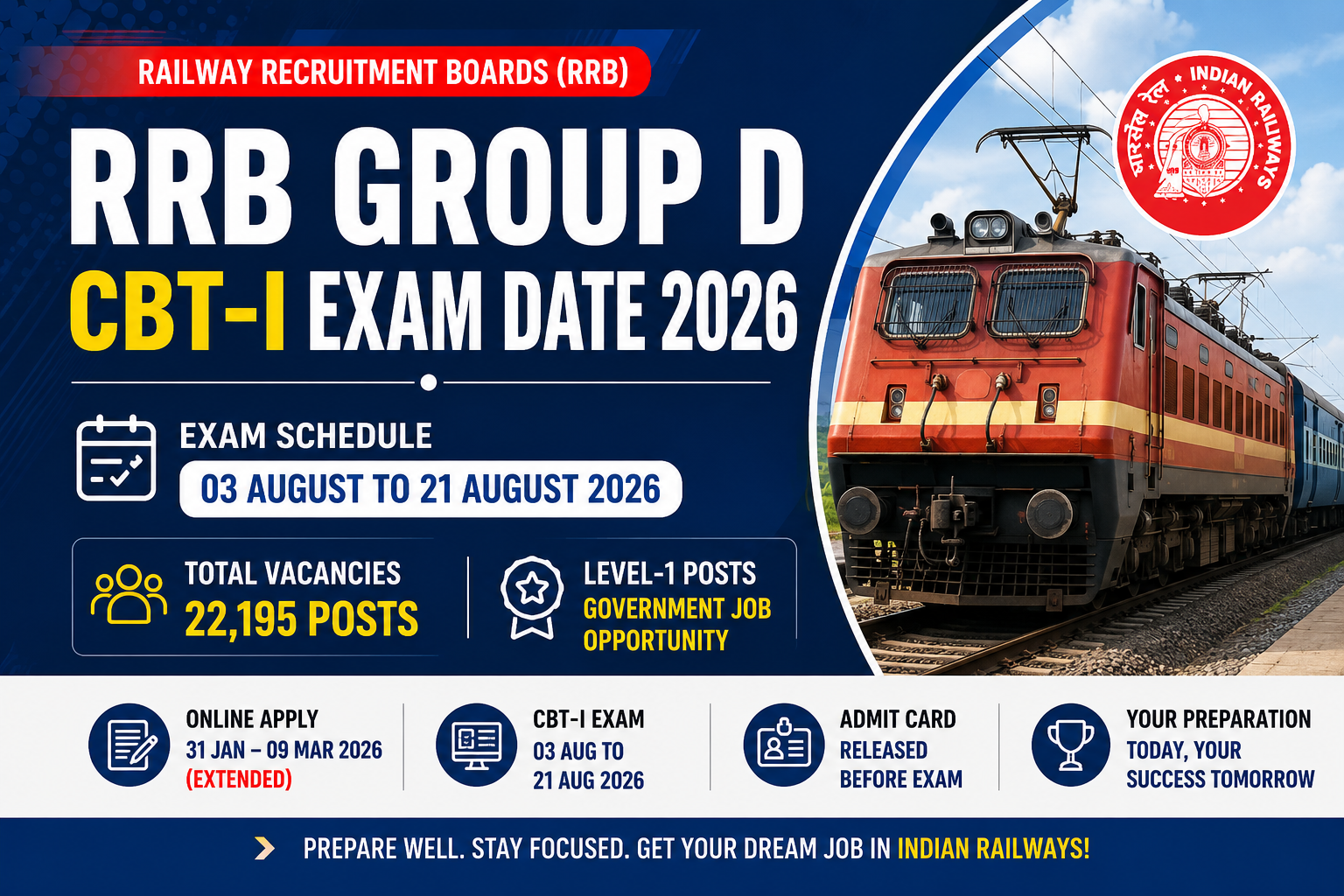
RRB Group D CBT-1 Exam Date 2026 Out: Check Exam Schedule, Vacancy, Eligibility & Latest Updates
NEW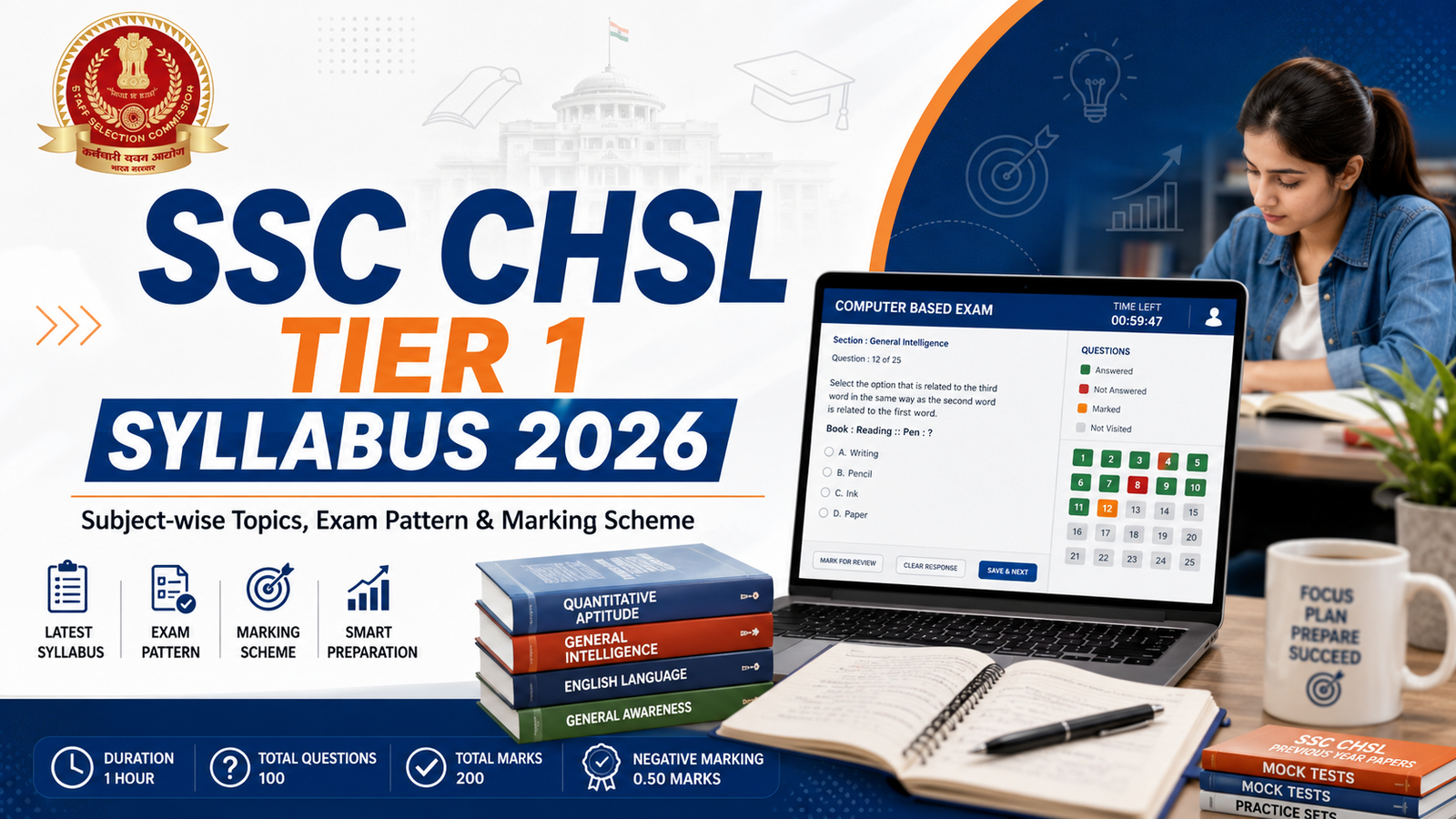
SSC CHSL Tier 1 Syllabus 2026
NEW
AngularJS Interview Questions and Answers
NEW
Difference Between HTML and XML (HTML vs XML)
NEW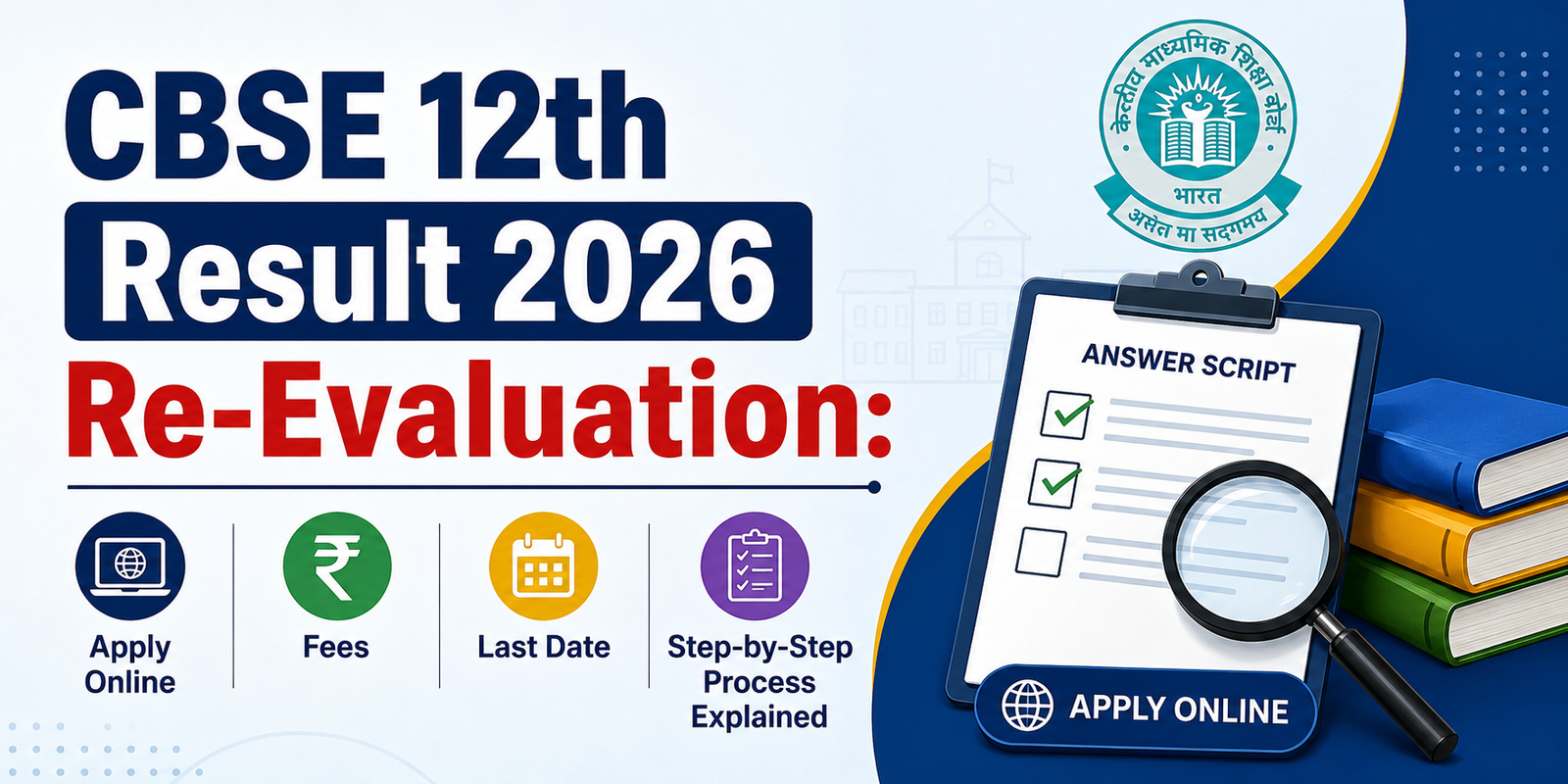
CBSE 12th Result 2026 Re-Evaluation: Apply Online, Fees, Last Date & Step-by-Step Process Explained
NEW
NEET UG 2026 Re-Exam Date Announced: Check New Exam Date, Schedule & Latest Updates
NEW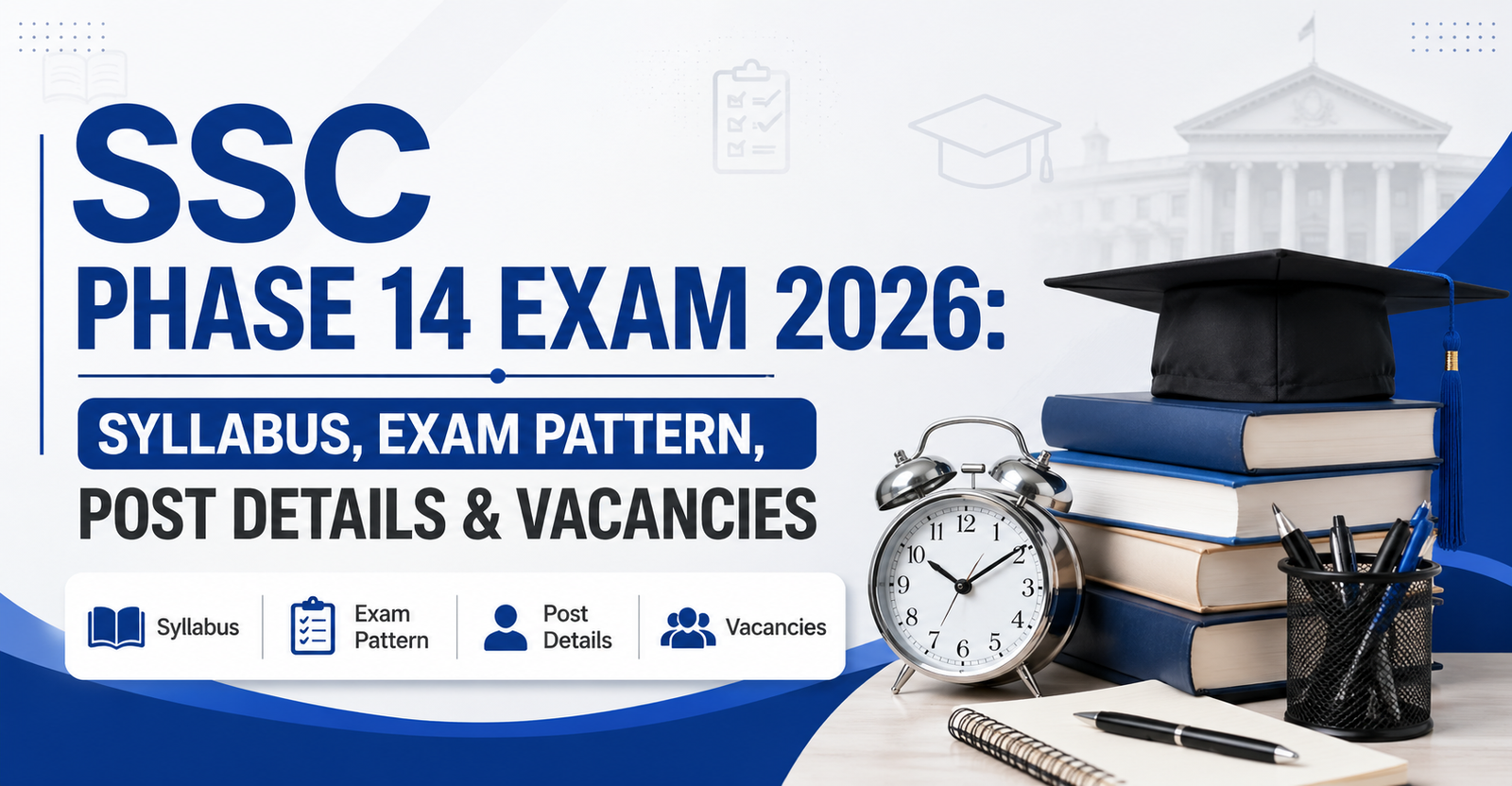
Understanding the SSC Phase 14 Exam: A Comprehensive Overview
NEW
Top Study Tips for Cracking Your Exams with Confidence
NEW
Aerospace Engineering: Scope, Courses & Career Opportunities
NEW
SSC CHSL Syllabus
NEW
EPFO 3.0 is Here: 7 Major Changes Every Employee Must Know
NEW