University / College Teacher Exams
University / College Teacher Exams cover UGC NET, State SET, and other assistant professor recruitment tests. This section provides syllabus, exam pattern, teaching aptitude, research aptitude notes, previous papers, and MCQs to help aspirants prepare for higher education teaching posts.
Q1. Which exam is mandatory for recruitment of Assistant Professor in colleges?
📘 View ExplanationQ2. UGC stands for?
📘 View ExplanationQ3. Which body conducts UGC-NET?
📘 View ExplanationQ4. Teaching aptitude focuses primarily on?
📘 View ExplanationQ5. Higher education means?
📘 View ExplanationQ6. Which of the following is a part of teaching-learning process?
📘 View ExplanationQ7. Which philosophy supports learning by doing?
📘 View ExplanationQ8. Research is a process of?
📘 View ExplanationQ9. Sampling is used to?
📘 View ExplanationQ10. Hypothesis means?
📘 View ExplanationQ11. A good research tool must be?
📘 View ExplanationQ12. Which method is commonly used in classroom teaching?
📘 View ExplanationQ13. Effective communication in teaching depends on?
📘 View ExplanationQ14. MOOC stands for?
📘 View ExplanationQ15. Which of these is NOT a type of research?
📘 View ExplanationQ16. Which is the primary goal of higher education?
📘 View ExplanationQ17. Curriculum refers to?
📘 View ExplanationQ18. Plagiarism means?
📘 View ExplanationQ19. Which of the following is an academic ethics violation?
📘 View ExplanationQ20. Which exam qualifies candidates for Ph.D. admission?
📘 View ExplanationQ21. Classroom management means?
📘 View ExplanationQ22. Which type of communication uses body language?
📘 View ExplanationQ23. A good teacher should be?
📘 View ExplanationQ24. Which is a student-centered teaching method?
📘 View ExplanationQ25. What does NAAC assess?
📘 View ExplanationQ26. Teaching aptitude includes?
📘 View ExplanationQ27. Which tool measures students’ academic achievement?
📘 View ExplanationQ28. Which domain of learning deals with emotions?
📘 View ExplanationQ29. Teaching at college level must focus on?
📘 View ExplanationQ30. Which of these is a characteristic of good research?
📘 View ExplanationQ31. Open-book exams test?
📘 View ExplanationQ32. Which is NOT a barrier to communication?
📘 View ExplanationQ33. Orientation program for new teachers aims at?
📘 View ExplanationQ34. Which research approach uses numerical data?
📘 View ExplanationQ35. Teacher’s professional ethics include?
📘 View ExplanationQ36. Primary purpose of research is?
📘 View ExplanationQ37. Which teaching method encourages inquiry?
📘 View ExplanationQ38. Which is a psychomotor skill?
📘 View ExplanationQ39. Higher education teachers must possess?
📘 View ExplanationLatest Blogs

RRB Group D CBT-1 Exam Date 2026 Out: Check Exam Schedule, Vacancy, Eligibility & Latest Updates
NEW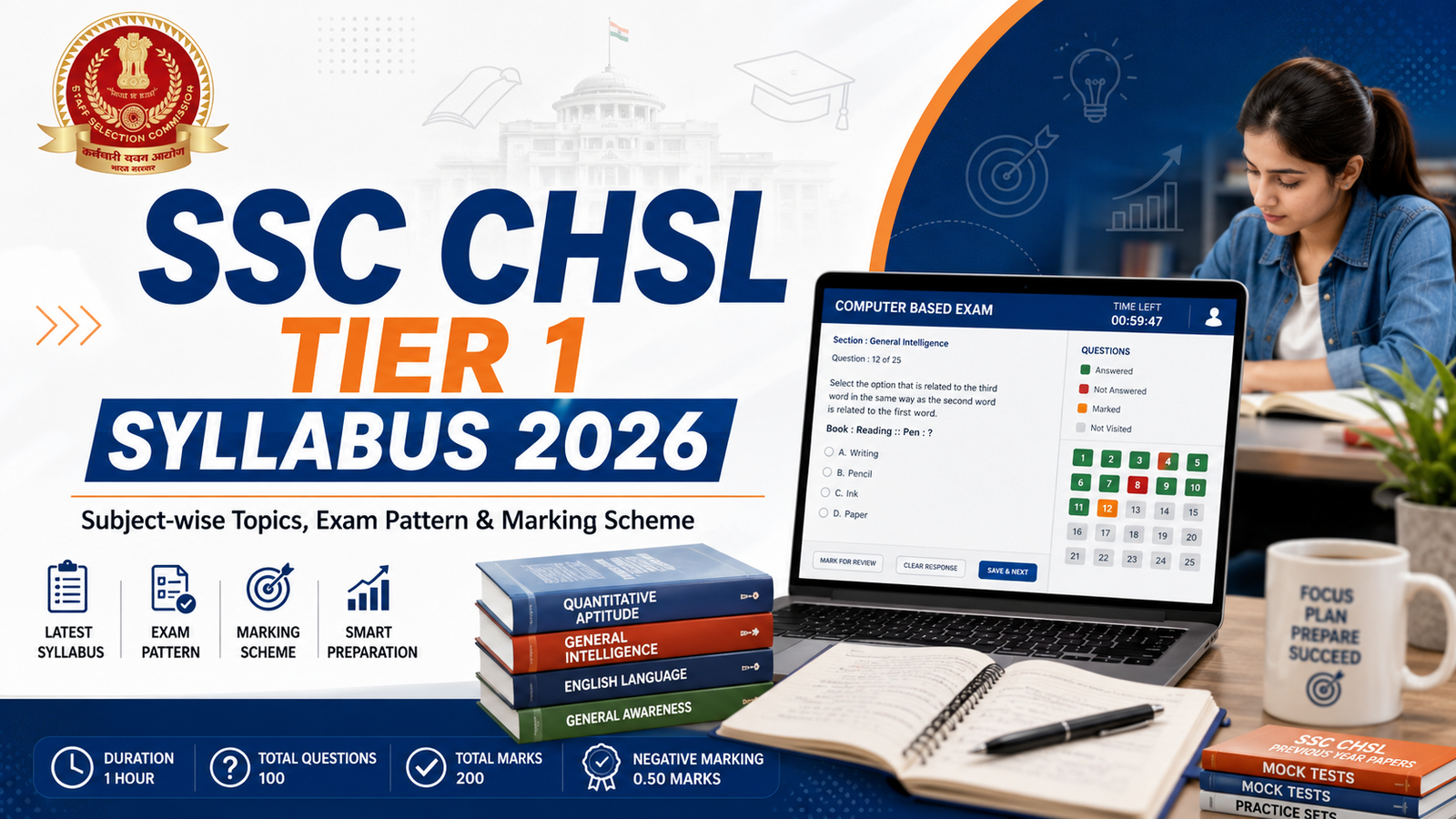
SSC CHSL Tier 1 Syllabus 2026
NEW
AngularJS Interview Questions and Answers
NEW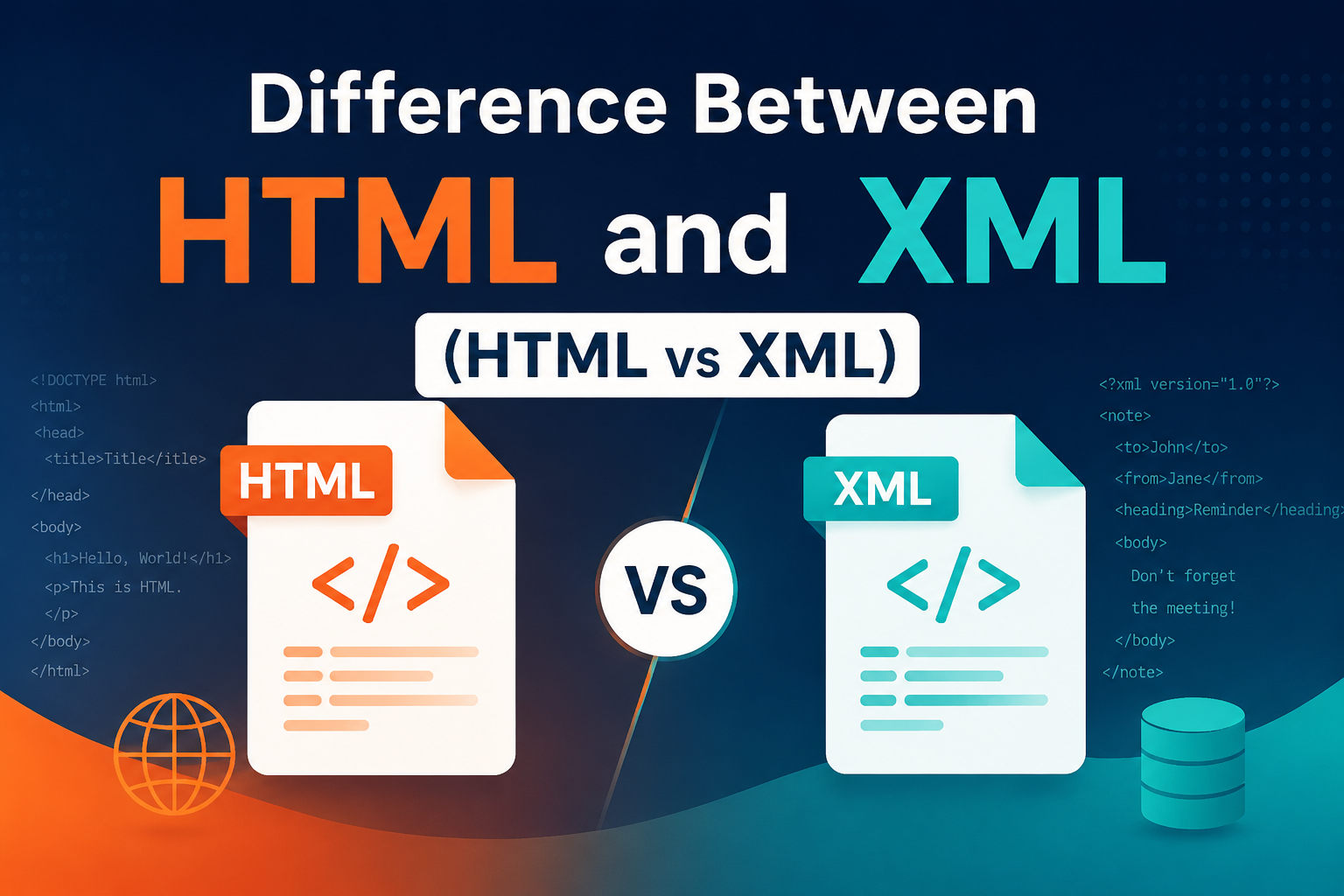
Difference Between HTML and XML (HTML vs XML)
NEW
CBSE 12th Result 2026 Re-Evaluation: Apply Online, Fees, Last Date & Step-by-Step Process Explained
NEW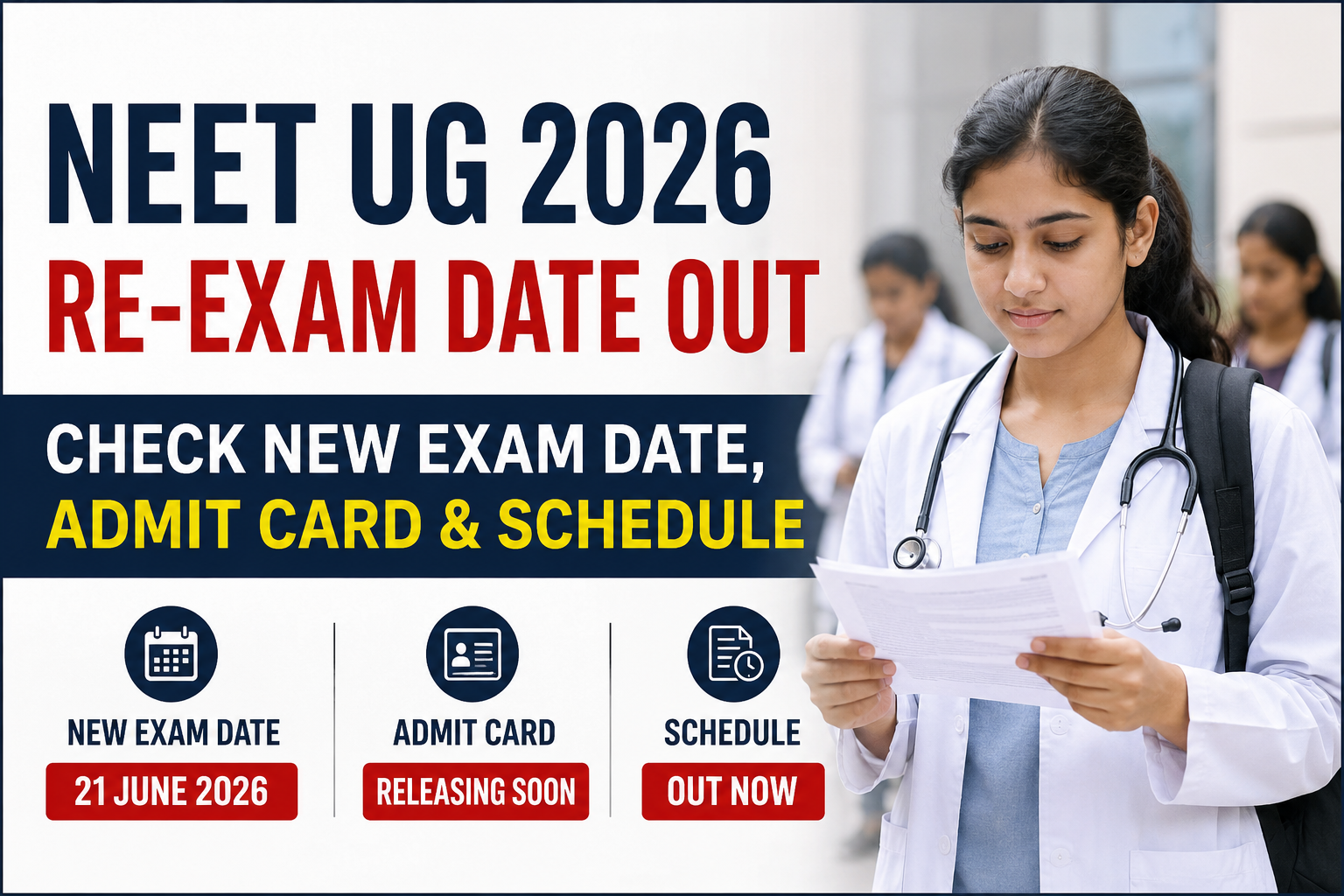
NEET UG 2026 Re-Exam Date Announced: Check New Exam Date, Schedule & Latest Updates
NEW
Understanding the SSC Phase 14 Exam: A Comprehensive Overview
NEW
Top Study Tips for Cracking Your Exams with Confidence
NEW
Aerospace Engineering: Scope, Courses & Career Opportunities
NEW
SSC CHSL Syllabus
NEW
EPFO 3.0 is Here: 7 Major Changes Every Employee Must Know
NEW