Compiler Design MCQ
Our website offers a comprehensive collection of Compiler Design MCQs to help learners understand key concepts in compiler development. Topics include lexical analysis, syntax analysis, parsing, code optimization, error handling, and code generation. Each question includes detailed explanations to support effective learning and exam preparation. Suitable for students, professionals, and interview candidates, Our platform makes mastering compiler design easy, interactive, and practical for academic and career success.
Compiler Design is a key area of computer science and software engineering, which is focused on the fundamentals of techniques and tools employed to transform advanced programming languages into machine-readable codes. A compiler is software application that takes the programs that is written by programmers, and transforms it into executable code which a computer is able to understand and execute efficiently. Knowing the design of compilers provides an in-depth insights into the way programming languages function internally, and also how they interact with hardware.
The research of design for compilers involves a variety of organized phases, each of which is responsible for a particular task within the process of translation. The phases are lexical analysis and semantic analysis, syntax analysis and intermediate code generation optimization of code, and code generation. Each of these phases plays an important part in making sure that the program's source code is correct in its interpretation, is logically validated and executed efficiently. Error detection and management are other essential elements which help to identify and document problems within the source code the compilation.
Compiler Design also introduces learners to the most important theories including regular expressions finite automatas, context-free grammars, parsing methods, and the syntax-directed translation. These ideas form the basis to understanding the language processing process and are extensively used in various areas of computer science such as Artificial Intelligence, Data Processing and tools for software development. Understanding these concepts aids students in developing solid analytical and problem-solving abilities.
One of the primary goals for compiler design is optimizing code. Optimizing techniques are designed to increase efficiency of the program by reducing the time it takes to execute, memory consumption and consumption of resources while not altering the behavior of the program. This component of the compiler design is vital in the modern computer systems where performance and efficiency are crucial. Learning about optimization strategies helps students to write better codes and create effective software system.
Compiler Design has wide practical uses that go beyond the traditional compilers. Its concepts are employed to develop interpreters, assemblers and debuggers and linkers as well as the latest developed environments for integrated development (IDEs). A variety of programming language functions like type-checking or scope management runtime support are dependent on the compiler's design ideas. This topic plays an important function in software development design, development of applications, and the development of programming languages.
It is an important component of the educational program for those who study the fields of computer sciences, information technology as well as software engineering. It's typically used in exams at universities as well as technical interview, as well as tests for competition such as GATE, as well as various entrance tests for engineering. An understanding of the design of compilers helps students to perform better on exams and also prepares students for more advanced subjects such as operating systems, programming languages design and computers.
Learning to design compilers also increases an individual's understanding of the details of execution at a low level such as memory management, the behavior of running programs. It promotes rational thinking as well as structured problem-solving and a keen eye for detail and attention to detail, all of which are important skills to have in any position of software development. As the complexity increases of computer systems, understanding of compiler design is useful and sought after.
In general, Compiler Design is a fundamental and enriching topic which bridges the gap between theory and execution. The subject helps students comprehend how ideas at the high level transform into effective computer-based operations. The ability to master compiler design provides solid foundations for more advanced studies, research, as well as career opportunities in the fields of the fields of software engineering, system programming and computing science.
Q1. Which phase of the compiler checks the syntax of the source code?
📘 View ExplanationQ2. The first phase of a compiler is:
📘 View ExplanationQ3. Which data structure is commonly used in lexical analysis?
📘 View ExplanationQ4. Semantic analysis in a compiler checks:
📘 View ExplanationQ5. Intermediate code generation helps in:
📘 View ExplanationQ6. Which of the following is a bottom-up parsing technique?
📘 View ExplanationQ7. The symbol table in a compiler is used for:
📘 View ExplanationQ8. Which phase of compiler is responsible for register allocation?
📘 View ExplanationQ9. Which of the following parsing methods uses lookahead symbols?
📘 View ExplanationQ10. Peephole optimization is applied in which phase?
📘 View ExplanationQ11. Which parsing technique is known as top-down parsing?
📘 View ExplanationQ12. A compiler that translates high-level language into assembly language is called:
📘 View ExplanationQ13. Which grammar is used for syntax analysis in compilers?
📘 View ExplanationQ14. In lexical analysis, removing white spaces and comments is called:
📘 View ExplanationQ15. Which of the following is NOT a type of intermediate code representation?
📘 View ExplanationQ16. Which parser is used by most modern compilers?
📘 View ExplanationQ17. Which type of errors are detected during lexical analysis?
📘 View ExplanationQ18. Which phase of the compiler is responsible for type checking?
📘 View ExplanationQ19. What is the main task of an assembler in the compilation process?
📘 View ExplanationQ20. Which of the following best describes a cross compiler?
📘 View Explanation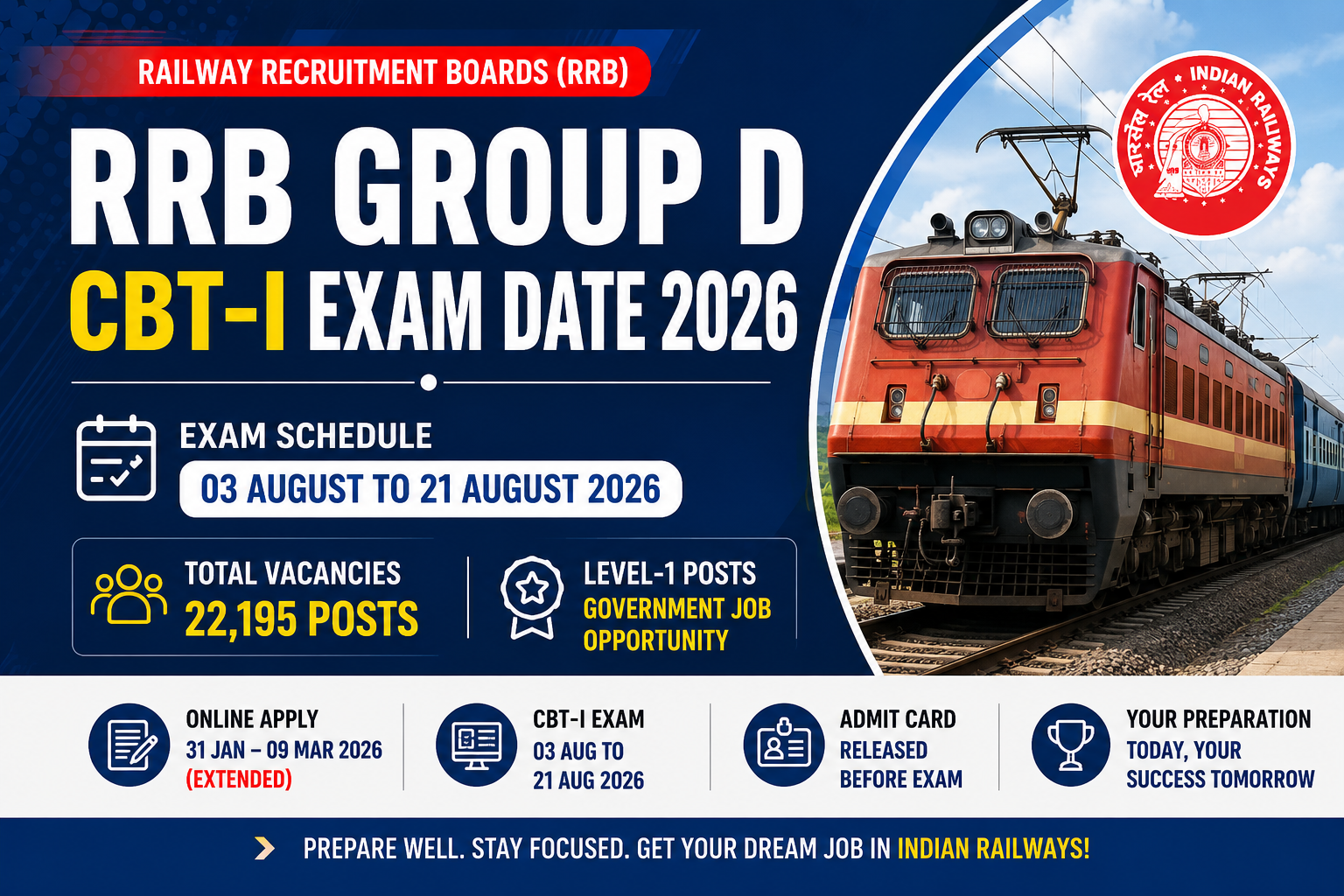
RRB Group D CBT-1 Exam Date 2026 Out: Check Exam Schedule, Vacancy, Eligibility & Latest Updates
NEW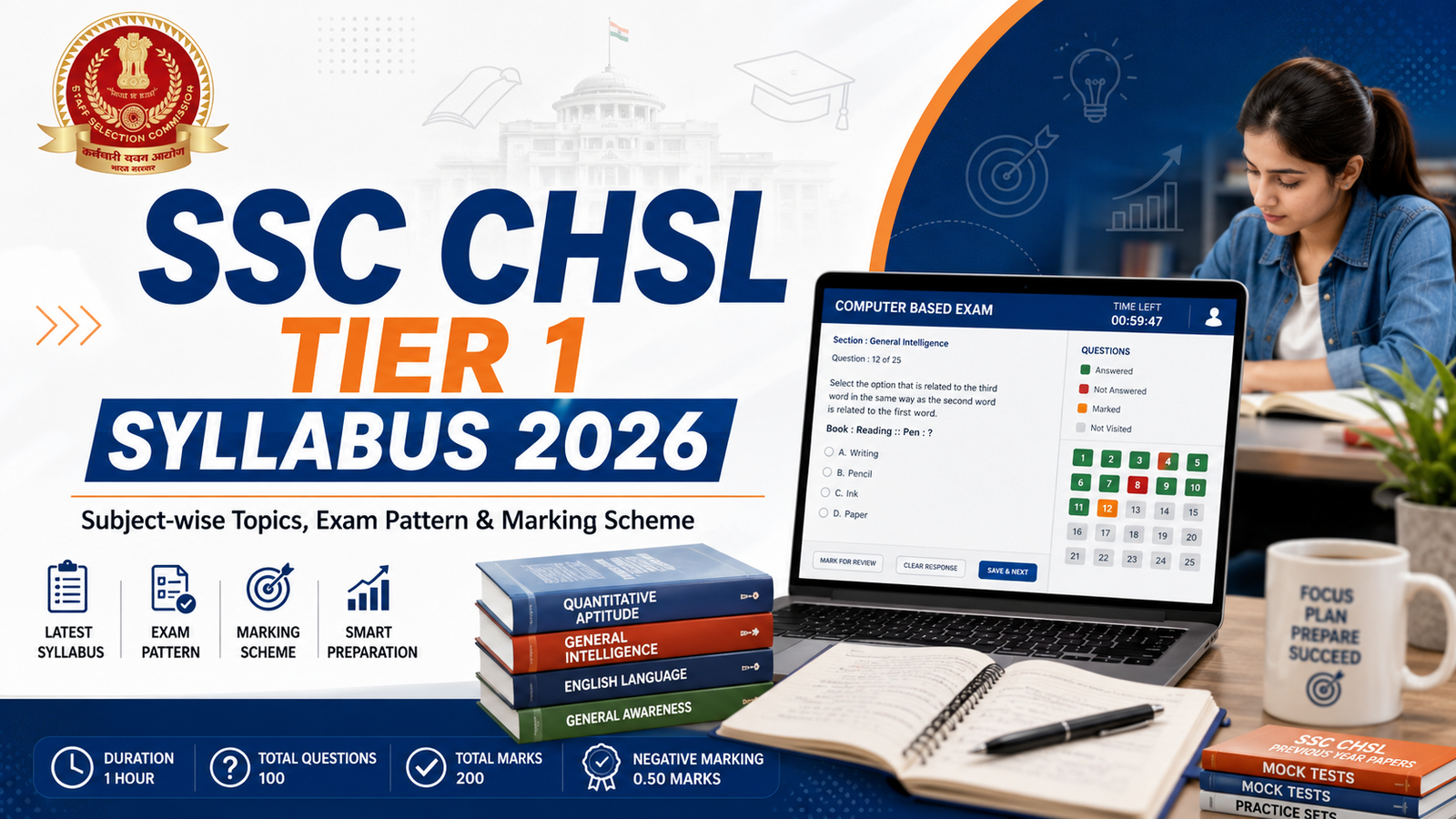
SSC CHSL Tier 1 Syllabus 2026
NEW
AngularJS Interview Questions and Answers
NEW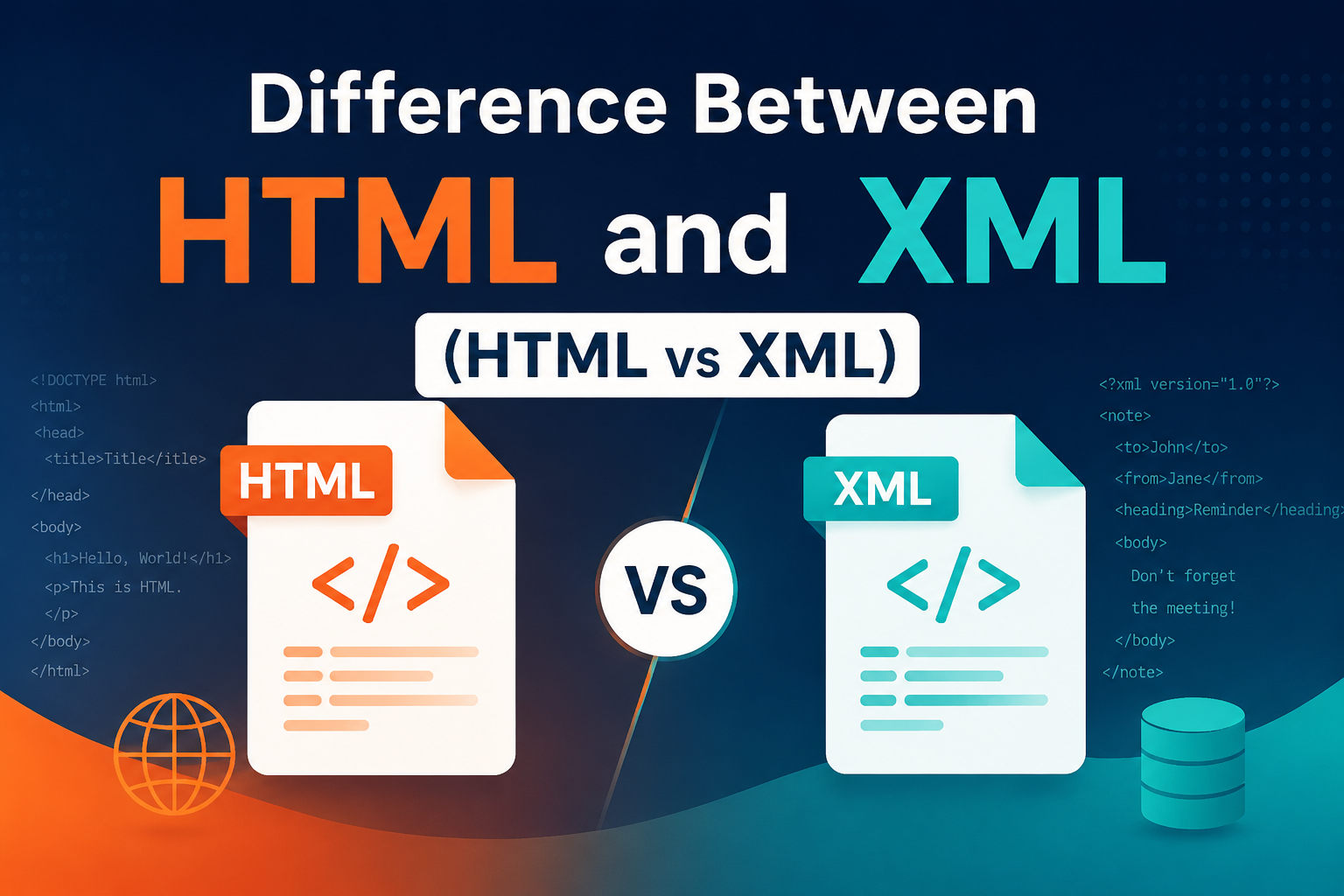
Difference Between HTML and XML (HTML vs XML)
NEW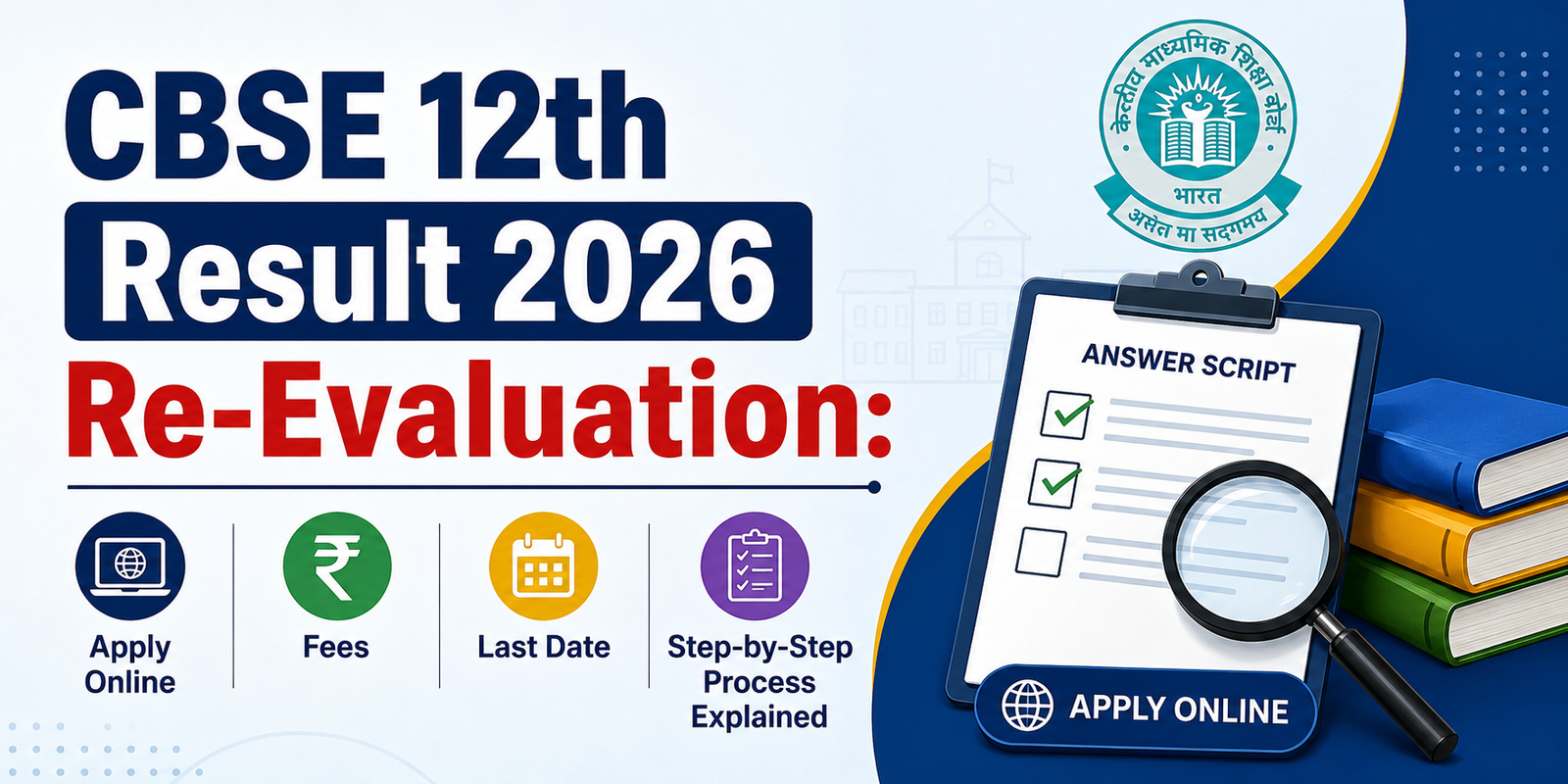
CBSE 12th Result 2026 Re-Evaluation: Apply Online, Fees, Last Date & Step-by-Step Process Explained
NEW
NEET UG 2026 Re-Exam Date Announced: Check New Exam Date, Schedule & Latest Updates
NEW
Understanding the SSC Phase 14 Exam: A Comprehensive Overview
NEW
Top Study Tips for Cracking Your Exams with Confidence
NEW
Aerospace Engineering: Scope, Courses & Career Opportunities
NEW
SSC CHSL Syllabus
NEW
EPFO 3.0 is Here: 7 Major Changes Every Employee Must Know
NEW